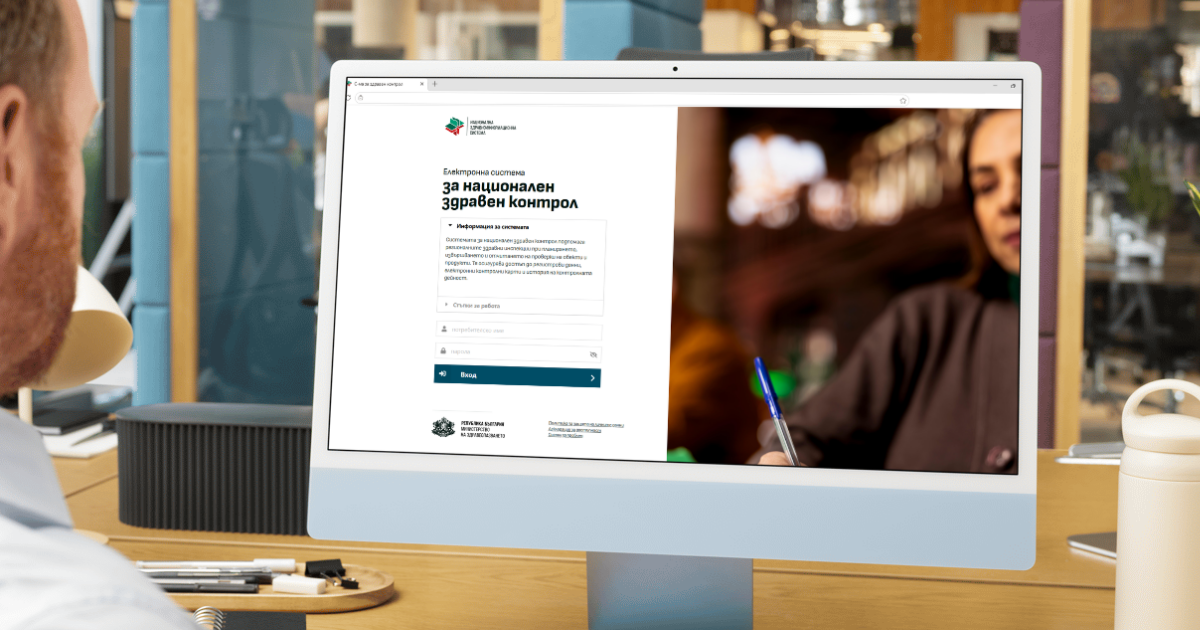
From 1 October 2026, the upgraded State Health Control System provides inspectors with faster access to the information required for inspections, the ability to work on-site using mobile devices, and the capability to track the results of previous inspections. For citizens, it offers easier search and access to public information on public-use facilities.
During inspections, inspectors from the Regional Health Inspectorates (RHIs) can see what was established during previous inspections, what instructions were issued, and what measures were taken. Findings and documents are stored together with the inspection history. This facilitates the monitoring of issues and provides the necessary information for subsequent actions.
Field work has also been improved. Inspectors can use the system on mobile devices, and entered results are available to their authorized colleagues within the RHI. This enables easier information exchange between inspectors and the administration and reduces the need for same data to be entered repeatedly.
The same pre-approved criteria are applied to facilities within the same category. Electronic checklists containing structured questions guide inspectors according to the type of facility or product. These checklists indicate which requirements are applicable and whether they have been met. The results remain attached to each inspection and allow identified issues to be tracked consistently.
The system automatically receives data from the registers of the National Health Information System (NHIS). This eliminates the need for duplicate data entry and reduces the risk of discrepancies in the information. Through this integration, the scope of facilities and activities for which inspections can be registered is also expanded:
- pharmacies;
- outpatient healthcare establishments and hospices;
- occupational health services;
- entities carrying out disinfection, disinsection, and deratization (DDD) activities;
- facilities producing bottled water and products related to natural mineral, spring, and table waters.
Inspectors use data from these registers during inspections, while the inspection results themselves are stored separately and can be tracked over time.
For citizens, the public registers of public-use facilities are presented more clearly and organized by region. This makes it easier to find and review information about registered facilities.
Access to official information is protected by enhanced security measures. Two-factor authentication has been introduced, and each user is granted access rights according to their responsibilities. The system maintains a detailed history of actions and data changes.
The upgrade supports the work of more than 1,800 inspectors across all 28 regions of the country. The system maintains data on more than 200,000 public-use facilities in over 700 categories and on 39,000 healthcare establishments. The data on healthcare establishments, together with the history of changes, includes more than 1.5 million records. More than 600,000 inspections from the previous health control system have also been preserved, and together with their history, they exceed 2.8 million records.
The upgrade was implemented by the team at Information Services as part of Activity 1 of Phase 5 of the NHIS enhancement project, in close cooperation with the Ministry of Health and representatives of the Regional Health Inspectorates.